

What Is a Tooth Crown and When Is It Needed?
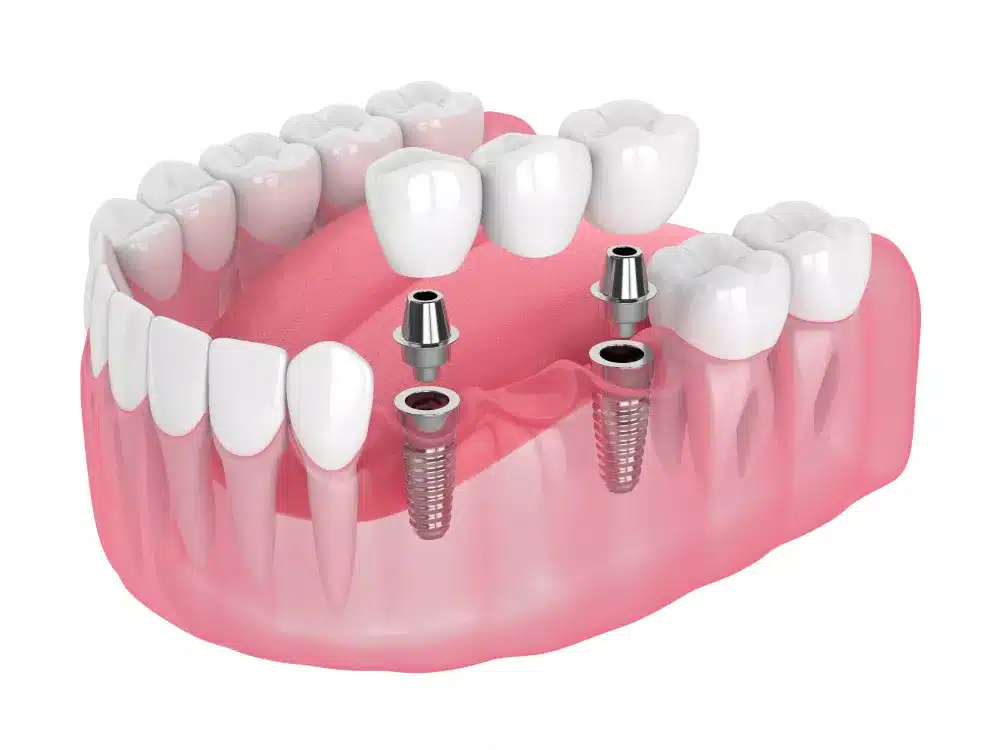
A dental crown—often called a cap—is a custom-made restoration that completely covers and protects a damaged or weakened tooth. Crowns restore the tooth’s shape, strength, and appearance.
Your dentist may recommend a crown if you need to:
- Protect a tooth weakened by decay or a fracture
- Restore a tooth following root canal treatment
- Replace a large filling when little natural tooth remains
- Improve the cosmetic appearance of a tooth
- Anchor a dental bridge
- Cover a dental implant
Unlike a filling, which repairs only part of the tooth, a crown provides full-coverage protection and reinforces the tooth’s entire structure.
What Types of Crown Materials Are Available in the UK?
Modern crowns come in several materials, each with distinct advantages and considerations.
Porcelain-Fused-to-Metal (PFM) Crowns
PFM crowns have a metal substructure for strength, covered by tooth-coloured porcelain for aesthetics. These have been widely used for decades.
Benefits:
- Very durable under biting forces
- Blend reasonably well with natural teeth
- More affordable compared to all-ceramic or zirconia crowns
Limitations:
- Over time, a dark metal line may show near the gum line
- Porcelain can occasionally chip under heavy forces
All-Ceramic (Porcelain) Crowns
These crowns are made entirely from ceramic materials and provide excellent aesthetics, especially for front teeth.
Benefits:
- Superior cosmetic results with natural translucency
- Metal-free and biocompatible
- Ideal for patients with metal allergies
Limitations:
- Not as strong as zirconia for heavy biting areas like molars
Zirconia Crowns
Constructed from high-strength zirconium dioxide, zirconia crowns offer excellent durability without compromising appearance.
Benefits:
- Exceptional strength suitable for molars and bridges
- Minimal wear on opposing teeth when properly polished
- Metal-free and highly biocompatible
Limitations:
- Less translucent than porcelain (though layering techniques improve aesthetics)
- Higher cost compared to PFM crowns
Gold Crowns
Gold crowns remain a reliable option for back teeth, valued for their longevity and gentle interaction with adjacent teeth.
Benefits:
- Longest lifespan of any crown material—often 20 years or more
- Require minimal tooth reduction
- Very resistant to wear and fracture
Limitations:
- Metallic colour makes them less suitable for visible areas
- What Is the Process of Getting a Crown?
- The treatment process typically involves several steps over two visits:
-
Consultation and Diagnosis
Your dentist will examine your tooth, take digital scans or impressions, and possibly perform X-rays to assess the tooth roots and surrounding bone.
-
Tooth Preparation
A thin layer of enamel is removed to create space for the crown. The exact amount depends on the material selected.
-
Impression and Temporary Crown
An impression or scan captures the prepared tooth. A temporary crown is placed to protect your tooth while your final crown is made.
-
Laboratory Fabrication
Your custom crown is crafted in a dental laboratory, with attention to precise fit, bite alignment, and shade matching.
-
Fitting and Bonding
At your second appointment, your dentist checks the fit and appearance before permanently cementing the crown in place. Your bite is adjusted for comfort.
-
Follow-Up
A brief follow-up visit ensures your crown is functioning properly and the gums have adapted.
Do Crowns Look Natural?
Yes—modern crowns are designed to blend seamlessly with the rest of your smile. Dentists use custom shading and layering techniques to mimic the translucency of natural enamel. All-ceramic and layered zirconia crowns, in particular, offer excellent cosmetic results for front teeth.
How Long Do Crowns Last?
The lifespan of a crown depends on the material, your oral hygiene, and lifestyle habits. Average durability is:
- Porcelain-fused-to-metal crowns: 10–15 years
- All-ceramic crowns: 10–15 years
- Zirconia crowns: 15+ years
- Gold crowns: 20+ years
With good brushing, flossing, and routine dental visits, crowns can last decades.
Are Crowns Covered by the NHS?
Yes—NHS crowns are available when deemed clinically necessary. However, options are more limited than in private practices.
NHS Crowns:
- Usually metal or porcelain-fused-to-metal
- Less customised aesthetics
- Standard NHS Band 3 charge (£306.80 in 2025)
Private Crowns:
- Greater choice of advanced materials (zirconia, full ceramic)
- Custom shade, shape, and fit
- Higher cost, but often better durability and appearance
What Do Private Crowns Cost in the UK?
Private crown pricing varies by region and clinic. As of 2025, average fees per tooth are:
- Porcelain-fused-to-metal: £500–£700
- All-ceramic: £650–£900
- Zirconia: £800–£1,200
- Gold: £800–£1,200
You’ll receive a detailed treatment plan and quotation before treatment begins.
What Should You Expect After Getting a Crown?
After placement, it’s common to experience mild sensitivity to hot and cold, which usually resolves within a few days.
If you notice discomfort when biting or prolonged sensitivity, contact your dentist so adjustments can be made.
Daily Care Tips:
- Brush twice daily with fluoride toothpaste
- Floss carefully around the crown to prevent decay at the margins
- Avoid chewing hard items like ice or pens
- Wear a night guard if you clench or grind your teeth
With consistent care, your crown can provide many years of function and aesthetics.
Can a Crown Be Replaced?
Yes—crowns can be replaced if they wear out, develop decay underneath, or no longer meet your cosmetic goals. Replacement follows a similar process as your first crown, though extra preparation may be necessary.
Additional Benefits of Dental Care in Turkey
Many patients choose to have crowns fitted abroad. Clinics in Turkey, including Dental Harmony Turkey, offer:
- Highly trained dentists using the latest materials and CAD/CAM technology
- Significantly lower costs compared to UK private treatment
- Shorter wait times and personalised care
- The option to combine treatment with a relaxing holiday
Final Thoughts: Choosing the Right Crown for Your Needs
A dental crown is one of the most effective ways to restore and protect a tooth while improving your smile’s appearance. Whether you prioritise durability, aesthetics, or budget, there is a crown material suited to your situation.
Consulting with an experienced dentist is the best way to decide which crown option fits your goals and expectations. They’ll guide you through each step and help you make a confident, informed choice.
At Dental Harmony Turkey, our team uses state-of-the-art technology and high-quality materials to create crowns that look beautiful and function seamlessly. Contact us today to schedule a consultation and discover which crown solution is right for you.
Is Composite Bonding Worth It? UK Dentists Share the Pros and Cons
Dental Veneers UK: Dramatic Smile Makeovers with EMAX Veneers